
Mulching is one of the most effective ways to protect and improve your landscape, but it’s often overlooked. Done right, it keeps your soil healthy, your beds weed-free, and your property looking polished year-round.
For homeowners who value long-term care and sustainable choices, mulching is a small step with big impact.
Mulching and Why It Matters
At its core, mulching is the practice of covering soil with a protective layer of organic or inorganic material. But beyond its simplicity, it plays a critical role in how well your landscape performs over time.
Mulch helps create a buffer between your soil and the elements. It holds moisture in the ground, reduces surface evaporation, and keeps plant roots insulated against heat and cold. A University of Florida study found that mulching can reduce water loss from soil by up to 33%.
That’s especially important in a place like Lake Martin, where the weather can swing between heavy rain and long dry spells.
For homeowners who care about their land, mulching also reduces the need for chemical weed control and frequent irrigation. As natural mulch breaks down, it enriches the soil, supports healthy root systems, and attracts beneficial organisms.
Mulching is vital for clean lines and tidy beds, but it also gives your landscape a smarter foundation. When used thoughtfully, mulch helps your entire outdoor environment run better with less effort and fewer resources.

The Key Benefits of Mulching
For a landscape to thrive, it needs more than sunlight and water, it also needs protection. Mulching delivers that protection in multiple ways, helping both the environment and the long-term health of your property.
1. Weed Suppression
A solid layer of mulch blocks sunlight from reaching weed seeds, making it harder for them to grow. That means less time spent pulling weeds and fewer herbicides needed, ideal for a cleaner, safer yard.
2. Moisture Retention
Mulch helps soil hold onto water by reducing surface evaporation. This is especially valuable during dry spells, allowing you to water less often while keeping your plants and trees hydrated.
3. Temperature Regulation
Whether it’s summer heat or a cold snap, mulch acts as insulation for your plant roots. That stable environment helps plants stay healthy and grow stronger year-round.
4. Erosion Control
On sloped or lakefront properties, mulch anchors the soil and prevents runoff. It protects your beds, keeps your landscape intact, and reduces sediment from washing into the lake.
5. Organic Soil Enrichment
As organic mulch breaks down, it adds nutrients back into the soil and feeds beneficial organisms. Over time, this natural process improves soil structure and plant health, no synthetic fertilizers needed.
For homeowners who value responsible land care, mulching is a practical way to invest in the health, appearance, and resilience of your entire outdoor environment.
If you’re thinking about how mulch fits into your broader landscape design, this guide to blending hardscape and softscape is a great next step.
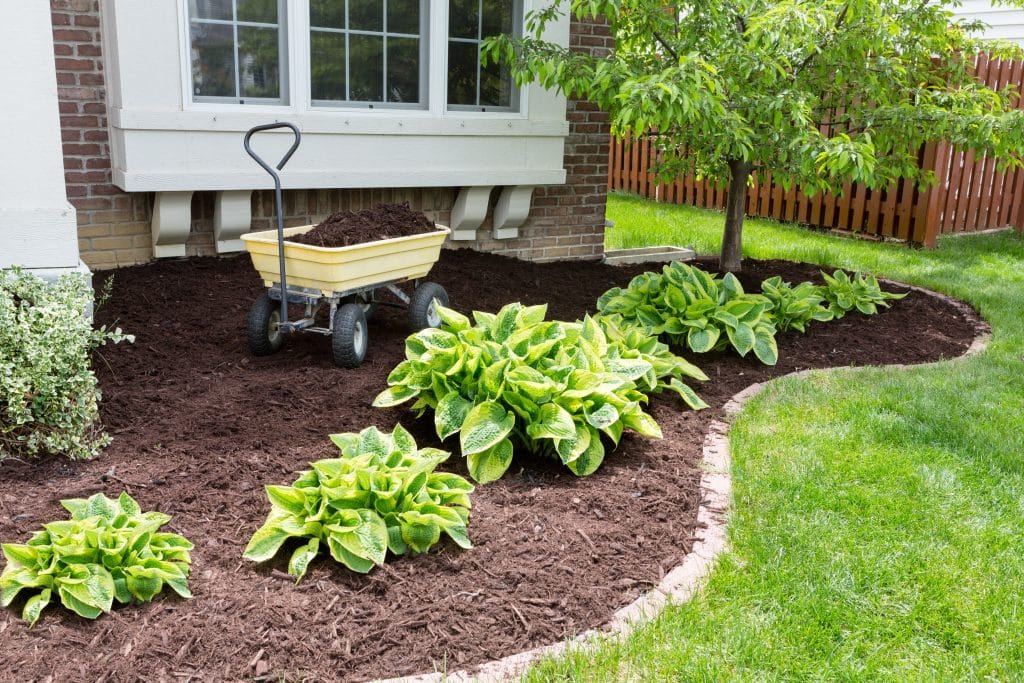
Types of Mulch and How to Choose
Not all mulch is created equal. Choosing the right type depends on where it will be used, how long you want it to last, and what kind of look you’re going for. Here’s a breakdown of the most common mulch types and how to choose what fits your property best.
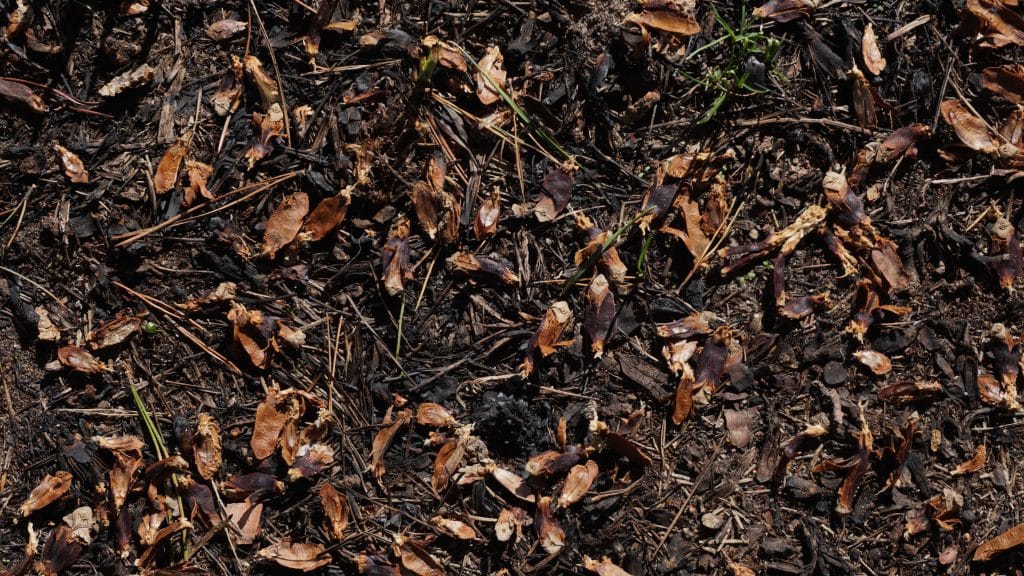
Organic Mulches
These break down over time and enrich the soil:
- Pine Straw Mulch: Lightweight, easy to spread, ideal for naturalized areas and sloped ground
- Cedar Mulch and Cypress Mulch: Naturally resistant to pests and decay, good for flower beds and borders

- Pine Bark Mulch: A clean, polished look that’s slow to break down, great for long-term use
- Bark Mulch: Decorative and durable, often used around trees and larger shrubs

- Leaf Mulch and Garden Mulch: Excellent for vegetable gardens, provides rich organic matter as it decays
Inorganic Mulches
Best for long-lasting, low-maintenance areas:
- Rubber Mulch: Doesn’t break down, resists wind and it’s suitable for walkways or play areas
- Mulch Glue: Used to keep mulch in place on slopes or high-wind spots, especially helpful for lakefront properties

Color and Curb Appeal
Mulch is functional and also a design tool. Choose:
- Black mulch for a bold, modern look
- Red mulch for strong contrast and visual pop
- Brown mulch for a natural, woodsy feel that blends into the environment

What to Use Where
- Use pine straw or bark around trees and steep banks for erosion control
- Choose cedar or pine bark in flower beds for visual appeal and soil support
- Opt for rubber mulch in areas where longevity and minimal upkeep are key
Your lakescape deserves materials that work hard and last. The right mulch not only supports healthy soil, it complements the entire landscape’s style and function.
Pine Straw vs Bark vs Rubber: Pros and Considerations
Choosing the right mulch comes down to your property’s needs and your long-term goals. Here’s how the three common types compare:
Pine Straw
Lightweight and easy to spread, pine straw is ideal for natural landscapes like those around Lake Martin. It stays in place on slopes and blends well with wooded settings. While it breaks down faster than other options, it enriches the soil in the process.
Bark Mulch
Bark mulch offers a more polished look and decomposes slowly, making it great for flower beds and garden borders. As it breaks down, it improves soil quality and supports long-term plant health.
Rubber Mulch
Rubber mulch isn’t typically used in the same wide variety of places as organic mulch. It works well in high-traffic or non-plant areas, and is ideally used in areas where kids play. It can also be great for weed suppression.
Each type serves a different purpose. Choosing the right one depends on your landscape’s goals, including appearance, longevity, or ecological impact.
Should You Use Landscaping Fabric with Mulching?
Landscaping fabric helps block weeds and reduce maintenance. It works best in long-term beds and high-weed areas. Avoid using it around trees or plants that need deep watering.
Over time, mulch can build up on top, creating space for new weeds. Pair fabric with heavier mulches like bark or rubber for better hold and coverage. Lighter mulches break down faster and may shift.
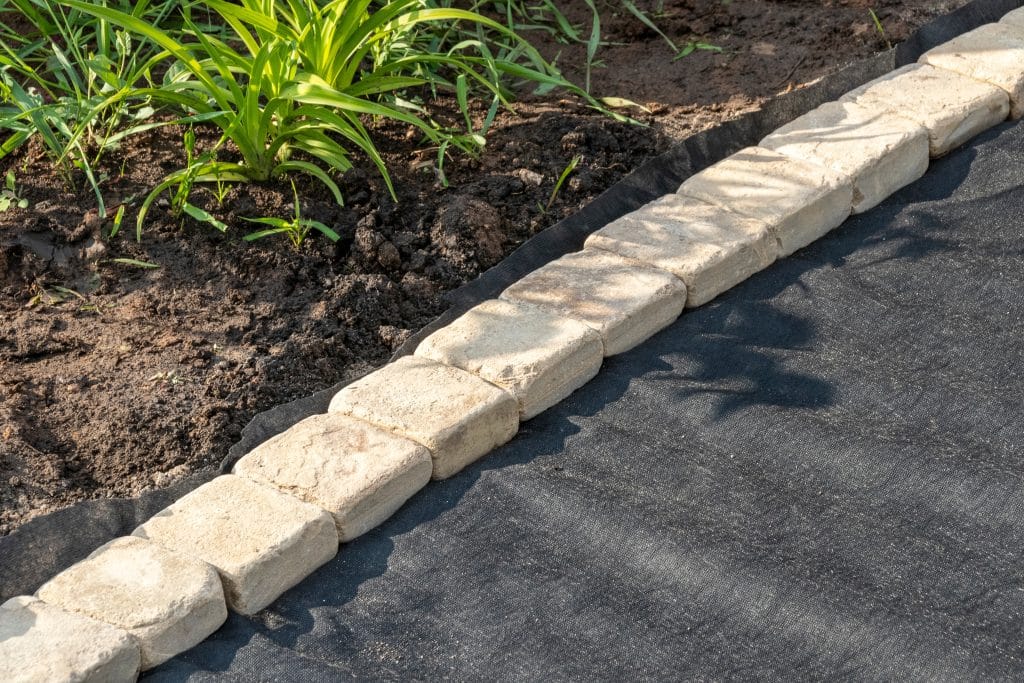
Used in the right spots, fabric can keep beds clean and cut down on yard work. Just be sure it fits the space and purpose.
Best Practices for Effective Mulching
A few smart steps can make your mulch work harder and last longer.
Apply the right amount: Aim for 2 to 3 inches deep. Too little won’t block weeds, while too much can suffocate roots and trap moisture.
Avoid common mistakes: Don’t pile mulch against tree trunks (known as “volcano mulching”). This traps moisture and encourages rot. Keep mulch a few inches away from trunks and stems.
Time it right: Spring is ideal for mulching, after the soil warms but before summer heat sets in. Fall is also a good time, especially for insulating roots before winter.
Keep it looking clean: Refresh faded or compacted mulch every 1 to 2 years. Re-edge beds with a clean line to prevent spread and keep things tidy. Here are more tips on keeping your landscape in top shape.
Done right, mulching reduces your maintenance and strengthens your landscape over time. It’s a small task with a big return.
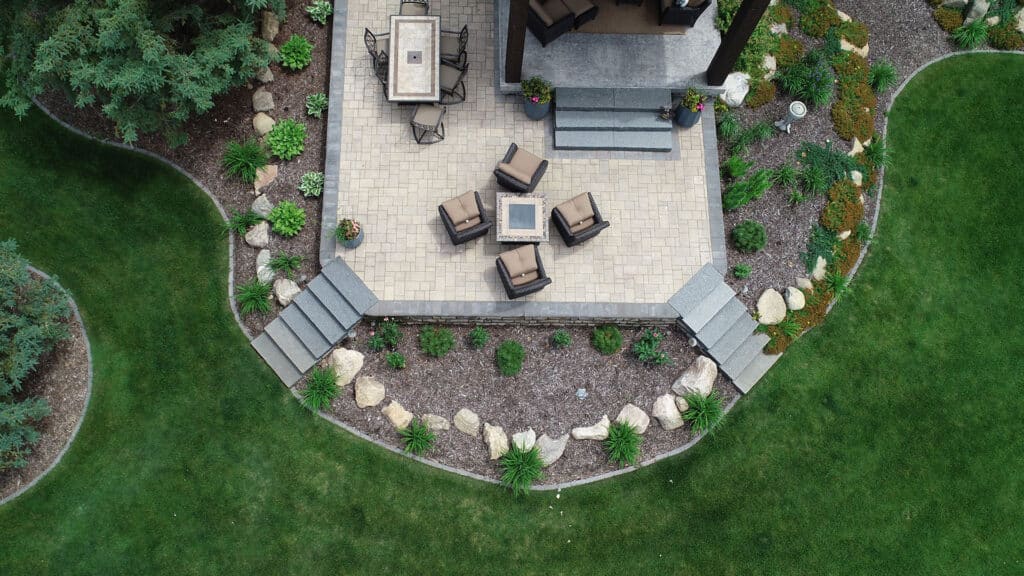
Let the Experts Handle Your Mulching
The right mulch makes your yard healthier, cleaner, and easier to maintain, but choosing the best type and applying it correctly can be tricky.
At LakeScape, we take care of the entire process. From selecting the right mulch to placing it in the right areas at the right depth, we make sure every layer works for your landscape while requiring less maintenance.
No guesswork. No wasted time. Just a clean, finished result you can enjoy from day one.
